
Combining different Materials, accessories, Hand Knitting and Flat Bed Knitting Machines for Unique Patterns and Textures

Knitting offers endless possibilities for creating beautiful, textured fabrics. When working with complex patterns, especially those involving a high percentage of purl stitches, combining hand knitting with flat bed knitting machines can save time and open new creative doors. This approach allows knitters to harness the speed of machines while preserving the flexibility and detail of handwork. In this post, we explore when it’s faster to knit by hand before transferring to a flat bed machine, and how to combine different techniques and materials for unique effects.
When Hand Knitting Speeds Up the Process
Flat bed knitting machines excel at producing consistent knit fabrics quickly. However, certain stitch patterns, especially those with a large proportion of purl stitches—between 40% and 90%—can slow down machine knitting. This happens because purl stitches on flat bed knitting machines require more complex needle movements and additional tools (like latch tool), which reduces speed and increases the chance of errors.
In these cases, the piece knitted by hand knitting the purl-heavy sections can be faster. Hand knitting allows for fluid, intuitive work on intricate purl and knit variations without the mechanical constraints. Once the base pattern is established (accomplished), the fabric can be transferred to the flat bed machine to complete the rest of the project, such as adding knit-only sections or finishing edges.
This method works well for:
Textured patterns with frequent purl stitches
Complex stitch combinations that slow machine speed
Small to medium-sized pieces where hand knitting is manageable
By combining hand knitting and machine knitting, you get the best of both worlds: detailed texture and faster production.
Adding Beads and Embellishments on the Machine
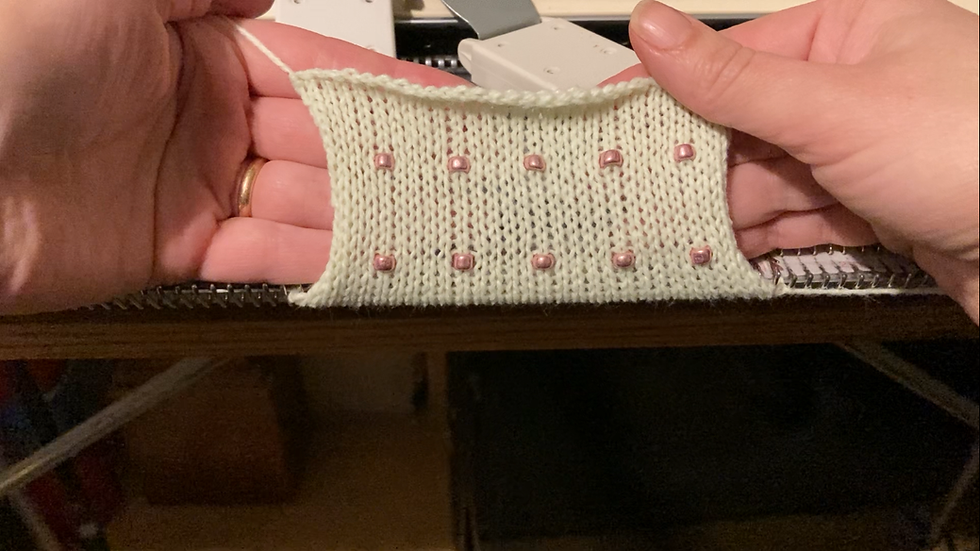
Flat bed knitting machines can also incorporate decorative elements during the knitting process. One popular technique is adding beads directly onto the fabric as it is knitted. This method saves time compared to hand-sewing beads afterward and ensures even placement.
This works beautifully for creating sparkly accents on scarves, shawls, or sweaters. It also allows for creative patterns where beads form shapes or outlines integrated into the knit texture.
Incorporating Ribbons and Ready-Made Laces
Another way to combine hand and machine knitting is by knitting ribbons or ready-made laces into the fabric. This adds texture, color contrast, and a tactile element that stands out.
Ways to use ribbons and laces:
Weave ribbons through eyelets or lace holes created by the machine or hand knitting
Attach ready-made lace trims while knitting with knitting machine for delicate overlays
This approach works well for fashion pieces, home décor items, and accessories where mixed materials add visual interest.
Using Buttons and Plastic Elements for Texture and Function
Buttons and plastic elements can also be combined with knitting to add both texture and function. These can be attached by integrated during the machine knitting process.
Ideas include:
Sewing buttons onto knit fabric to create closures or decorative spots
Inserting plastic rings or shapes into the knit fabric by hand for sculptural effects
Knitting around plastic elements like mesh or netting to add structure
Using sequins as embellishments during machine knitting
These combinations allow knitters to experiment with mixed media, creating pieces that are both tactile and visually dynamic.
Other Creative Combinations and Applications
Beyond beads, ribbons, buttons, and plastic elements, there are many other ways to combine hand and machine knitting for unique results:
Embroidery on machine-knitted fabric adds color and detail after the main piece is complete
Appliqué techniques where hand-knit motifs are sewn onto machine-knit backgrounds
Incorporating metallic threads or yarns by hand into machine-knit pieces for shimmer
Using different yarn weights or textures in hand and machine sections to create contrast
Adding fringe or tassels by hand to machine-knit edges for movement and flair
These techniques expand the creative possibilities and allow knitters to customize their work beyond what either hand or machine knitting can achieve alone.
Practical Tips for Combining Techniques
To get the best results when combining hand knitting and flat bed machine knitting, keep these tips in mind:
Plan your pattern carefully to decide which sections are best done by hand or machine
Use compatible yarns that work well on both hand needles and the machine
Practice transferring fabric between hand and machine knitting to avoid stretching or distortion
Test bead and embellishment placement on swatches before working on the final piece
Keep tension consistent when switching between techniques for a smooth finish
With practice, combining these methods becomes a powerful way to create complex, textured, and visually interesting knitwear efficiently.


Comments