
Exploring the Basics of Machine Knitting for Beginners

Machine knitting is a fantastic way to create beautiful fabrics and garments efficiently. Whether you’re a crafting veteran or a complete novice, understanding the fundamentals can make machine knitting an enjoyable experience. In this guide, we will explore the basics of machine knitting, its components, techniques, and tips to help you get started on your creative journey.
What is Machine Knitting?
Machine knitting involves the use of a knitting machine that automates the process of creating knitted fabric. This method can produce items much faster than traditional hand knitting. With machine knitting, you can create intricate patterns, simple items, and everything in between.
Machine knitting is an excellent option for beginners due to its user-friendly nature. It allows crafters to create a diverse range of projects like sweaters, hats, and shawls. To get started, you need to understand the different components of a knitting machine.

Essential Components of a Machine Knitting Setup
Before delving into techniques, it’s critical to familiarize yourself with the essential components required for machine knitting.
Knitting Machine: There are several types of knitting machines available, including flatbed knitting machines and circular knitting machines. Flatbed machines are ideal for beginners as they're simpler and more versatile for creating various shapes.
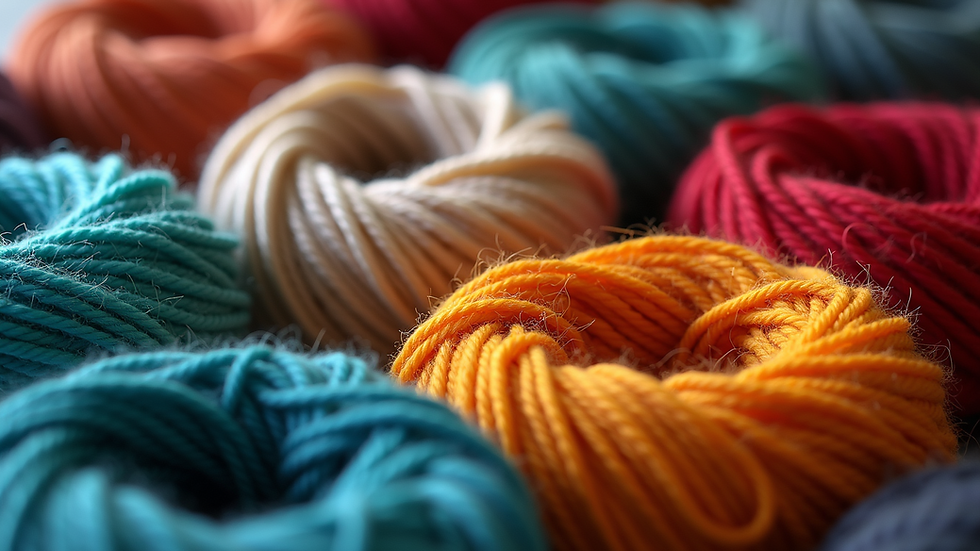
Yarn: The type of yarn you choose significantly impacts your project. Beginners should select a medium-weight yarn as it’s easier to handle. Avoid fancy yarns with complicated textures, as they can clog the machine.
Pattern Book: Whether you create your patterns or follow an established design, a pattern book can provide invaluable guidance. Many resources are available online, offering free downloads or affordable purchases.
Accessories: Essential accessories include weights, yarn guides, and a stitch holder. Weights keep your work taut, while yarn guides help direct the yarn evenly through the machine.
By understanding and gathering these components, you lay the foundation for a successful machine knitting experience.
Basic Techniques for Beginners
Once you have your setup ready, it’s time to dive into the basics. Here are a few essential techniques to get you started:
1. Threading the Machine
Threading your knitting machine correctly is crucial for achieving the best results. Each model has a specific threading guide, so refer to your manual for instructions. Generally, you will feed the yarn through a series of guides before placing it onto the tension mast.
2. Casting On
Casting on is the process of starting your knitting project. Most machines offer various casting-on techniques, such as the e-wrap or latch tool method. For beginners, an e-wrap is often the simplest choice, as it involves wrapping the yarn around the machine's needles.
3. Knitting a Sample Swatch
Before embarking on your main project, practice by knitting a sample swatch. This exercise allows you to test your tension and pattern. The swatch must be blocked afterward to ensure it accurately reflects the final fabric's appearance.
4. Increasing and Decreasing Stitches
Learning how to increase and decrease stitches is vital for shaping your project. Most machines come equipped with settings that facilitate these changes. Practice knitting simple shapes, like triangles and rectangles, to master this skill.
By honing these basic techniques, you'll build a solid foundation and gain confidence as you proceed.

Selecting Your First Project
Choosing the right first project can significantly affect your experience with machine knitting. Here are some simple ideas to consider:
Scarves: Scarves are easy to knit and typically require straight lines. They also allow for creativity with colors and textures.
Hats: Knitting a simple hat can be a fun learning experience. Many patterns are available that help you understand decreasing techniques in a controlled manner.
Dishcloths: A practical option for beginners, dishcloths provide quick results. They also let you explore different stitch patterns without overwhelming complications.
Tips for Success
Start Slow: Don’t rush into complex patterns. Mastering the basics first will result in more recipes down the line.
Follow the Manual: Your machine’s manual is not just a collection of guidelines; it’s a roadmap to becoming a proficient machine knitter. Review it often.
Join a Community: Seek out beginner forums or local knitting groups. Engaging with others can provide support, encouragement, and additional resources.
Expanding Your Skills
Once you are comfortable with basic techniques, don’t hesitate to branch out. Here are a few suggestions to expand your knitting skills:
1. Learn Advanced Techniques
Delve into more complex techniques like intarsia, fair isle, or lace knitting. Resources, including books and online tutorials, can guide you through these intricate styles.
2. Experiment with Yarn Types
After mastering basic yarn, try different fibers such as cotton, bamboo, or blends. Each material behaves differently, resulting in unique textures and finishes.
3. Create Your Patterns
As you become more skilled, consider creating your own designs. Understanding the relationship between stitches, gauges, and measurements allows you to unlock unlimited creative potential.
4. Invest in Upgrades
As your skills progress, think about upgrading your tools or machine. Some advanced models offer features like computerized programming, making complex designs easier to achieve.
By regularly challenging yourself in these ways, you will continue to grow as a machine knitter.
Resources for Continued Learning
The journey of a machine knitter doesn’t end after mastering the basics. Several incredible resources can enhance your skills:
Online Classes: Websites like Craftsy or YouTube offer tutorials on virtually every knitting topic imaginable from basic to advanced levels.
Books: Consider investing in knitting books specifically geared towards machine knitting. They often come packed with helpful charts and pattern ideas.
Local Workshops: Many craft stores host workshops for various skill levels. Engaging with others can provide hands-on experience and insights.
Online Communities: Platforms like Ravelry are fantastic for connecting with other machine knitting enthusiasts to share experiences and project ideas.
By utilizing these resources, you can continue growing your knowledge and skills in the world of machine knitting.
Embracing the Power of Machine Knitting
Machine knitting, with its technical setup and creative potential, opens the door to countless knitting possibilities. Whether you're making your first scarf or aiming for a complex sweater, the fundamental skills and techniques discussed in this article provide a solid starting point.
Create beautiful knitted items that express your personal style, and don’t forget to explore the community of crafters around you. Engaging in crafting not only nurtures your creativity but can also be an avenue for friendship and shared joy. Happy knitting!
Remember, any time you need resources or inspiration for machine knitting, visit metropolitan, a valuable hub for all your knitting needs!


Comments